The Next Bite in Snake Isn't Worth Losing the Next Route
Look beyond the distance to food: account for growth, occupied cells, and the turn that must follow.
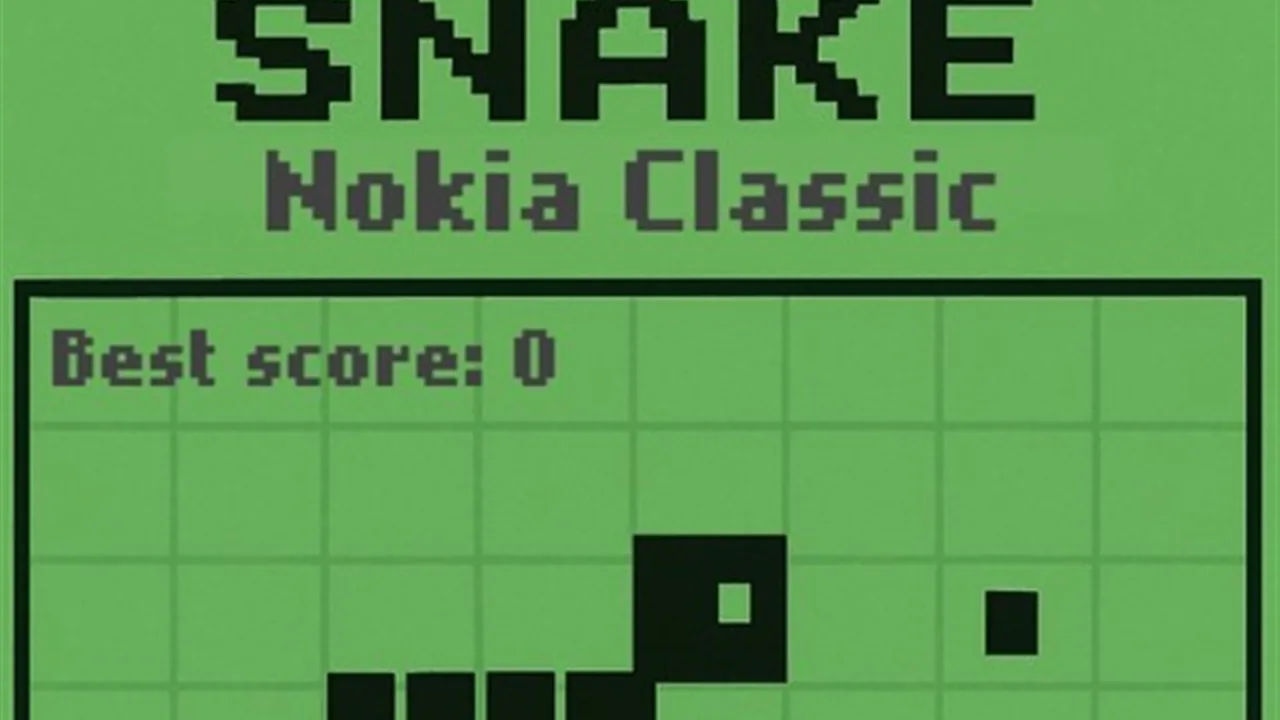
In this article+
Food is one turn away. You take it, the score rises, and your body closes the exit a moment later.
A popular Reddit post titled “Perfect game of Snake” invites imitation. The text and discussion available here do not independently establish the video's operator, automation, or rules. Before promising a full board, examine what eating changes in our Snake.
Picture the position afterward
The site uses a 20-by-20 board. Walls and body collisions end the round. Without food, movement removes the tail segment; eating retains growth.
A narrow route can therefore leave different space depending on whether you eat. The next position must fit the body, not only the head.
Draw a small hypothetical region with a one-cell entrance, food inside, and body crossing outside. Can you describe a legal way back out after entering? If not, shortest distance deserves less weight.
Multiple turns add another burden
Phones support swipes or direction buttons. Begin with one dependable input method rather than several rapid corrections.
After choosing a direction, observe where the head actually moves before arranging the next turn. Your finger changing direction does not mean the current grid step has completed.
Eating increases speed in this implementation. Early-game reaction room does not remain constant. Check whether the current pace still supports the sequence you imagine.
An edge route is an organizing habit
Keeping the body easy to observe can reduce confusion. Always following an edge does not guarantee safety. You can still enclose yourself or cross a route your body is closing.
Ask whether the next cell is legal, whether at least one legal direction follows, and whether the newly occupied body will obstruct the steps beyond. Start with avoiding clear dead ends rather than demanding a complete proof every round.
The practice adds “can I get out?” beside “how close is it?”
Two implementation limits matter here
Current code treats entering the presently occupied tail cell as a collision. Do not import tail-following advice from versions that permit moving into a vacating tail position. Food generation also lacks an explicit exit when no empty cell remains, so filling all 400 cells is not a verified completion goal here.
These are current implementation limits. The guide concerns early and middle play, not a guaranteed winning cycle.
After a loss, revisit the last meal. Did the trap begin at impact, or earlier when a shortcut enclosed your future route? Identifying that choice may leave the next game a little more room.
Thank you for reading.